
Why Premium Wood Costs More Upfront and Saves More Over Time
Home/ Why Premium Wood Costs More Upfront and Saves More Over Time
Home/ Why Premium Wood Costs More Upfront and Saves More Over Time
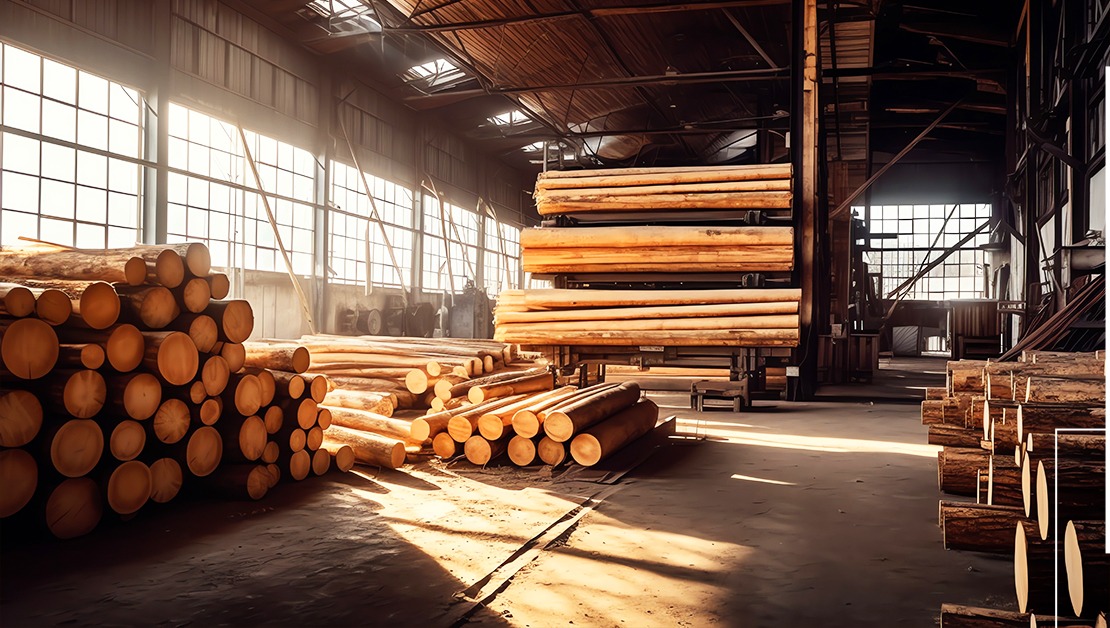
Anyone who has stood in front of two stacks of timber at a lumber yard knows the moment. One stack costs noticeably less. The other looks almost identical to an untrained eye, but the price tag reveals a different reality. It's tempting to grab the cheaper option and move on with your project. Most people do exactly that, and many of them regret it within a few years.
Wood isn't just wood. Grade, species, moisture content, and milling and drying processes all affect whether wood will hold its shape for decades or start warping, cracking, and attracting pests within a single season. Premium wood costs more at the checkout counter, but the real cost of a material only reveals itself over time, and that's where the cheaper option usually loses.
This article breaks down what you're paying for when you choose premium timber, why the price gap exists, and how the math works when you look past the initial invoice.
The word "premium" gets thrown around loosely in marketing, so it helps to know what it actually means when applied to timber.
Wood is graded based on the number and size of knots, grain consistency, and structural integrity. A board with tight, even grain and few imperfections will always cost more to produce because fewer trees and fewer sections of each tree qualify. Denser wood species, like teak or white oak, also resist dents, moisture, and insects far better than softer, faster-growing species like pine or spruce.
This is the part most buyers never think about, and it's arguably the most important factor. Wood that hasn't been properly kiln-dried retains excess moisture, which means it will continue to shrink, twist, and crack after it's already been installed in your home. Kiln-drying is a slow, energy-intensive process, and it adds real cost to the final product. But it's also the difference between a floor that stays flat for twenty years and one that starts cupping after the first humid summer.
Premium-quality wood is often sourced from sustainably managed forests, where trees are given sufficient time to reach full maturity before being harvested. Slower growth generally produces tighter grain and stronger wood, but it also means longer wait times and higher land-management costs, both of which show up in the price. Fast-grown timber, by contrast, is cheaper to produce but structurally weaker.
It's worth being specific here, because "premium wood is expensive" doesn't explain much on its own.
Raw material scarcity: Only a fraction of harvested timber meets premium grading standards, which limits supply.
Processing time: Proper kiln-drying can take weeks, compared to days for lower-grade lumber.
Skilled labour: Cutting, grading, and finishing premium timber requires more experienced hands to avoid waste.
Transportation and storage: Premium wood is often more sensitive to handling conditions, requiring climate-controlled storage and careful shipping.
None of these costs are arbitrary. They're built into a product that's designed to perform under stress, humidity swings, daily foot traffic, and structural load without falling apart.
This is where the real comparison starts, because the sticker price is only part of the picture.
Lower-grade wood tends to warp, split, or rot faster, especially in outdoor applications like decking or in humid indoor environments like bathrooms and kitchens. What starts as a small crack often turns into a full board replacement within a few years. Multiply that across an entire deck, floor, or set of cabinets, and the "savings" from buying cheaper wood evaporate quickly.
Cheaper wood often needs more frequent sealing, staining, or treatment just to keep pests and moisture out. Premium timber, especially naturally rot-resistant species, needs far less babying. Over ten years, the labour and material costs of constant upkeep can rival or even exceed the price difference you thought you were saving.
This one matters more than most people realise. Wood that isn't properly graded or dried can fail under load-bearing conditions it was never tested for. A weakened deck board or a warped structural beam isn't just an eyesore; it's a safety issue. Repairing structural damage almost always costs more than the price gap between premium and standard wood would have cost in the first place.
Let's put some rough numbers to this scenario, because abstract cost comparisons rarely convince anyone.
Say you're building an outdoor deck. Standard-grade lumber might cost 20 to 30% less per board foot than premium timber. For a medium-sized deck, this could result in upfront savings of several hundred dollars. Sounds good until you factor in that standard lumber decks in humid or high-traffic climates often need board replacements within 5 to 7 years, plus annual sealing to slow the damage.
Premium wood, properly installed, can last 20 to 25 years with minimal intervention beyond routine cleaning and occasional resealing. Spread the higher upfront cost across that lifespan, and the annual cost of premium timber often ends up lower than the annual cost of replacing and maintaining a cheaper deck twice over.
This is the core idea behind what contractors sometimes call the "true cost of ownership", looking at a material's total lifetime expense rather than just its purchase price. It's the same logic that applies to buying a well-made pair of boots instead of a cheap pair you'll replace three times over.
Not every project needs the highest grade of timber available. But there are specific situations where the investment is most worthwhile.
Decking, exterior siding, and anything exposed to rain or humidity benefit enormously from premium, naturally rot-resistant wood. This area is where cheap lumber fails fastest and where the cost of premium wood is easiest to justify.
Load-bearing beams, joists, and framing components need to hold their shape and strength for the life of the building. This isn't the place to cut corners, since structural failure is expensive and dangerous to fix after the fact.
Floors in busy hallways, kitchens, or commercial spaces are subjected to heavy use every day. Premium hardwood flooring resists dents and wear far better than softer alternatives, which means it keeps its appearance and function for significantly longer without refinishing.
If you're building something meant to be passed down or used daily for decades, like a dining table or built-in cabinetry, premium timber's stability and appearance age far better than budget alternatives that tend to look worn out within a few years.
That said, premium wood isn't always the best choice. Temporary structures, low-visibility framing that drywall will cover, or short-term projects don't always justify the extra cost. If you're building something with a limited lifespan by design, spending on premium timber may not deliver a meaningful return. The key is matching the material to the job's actual demands, not defaulting to premium wood out of habit or defaulting to cheap wood out of budget pressure alone.
Since "premium" isn't a strictly regulated term, it helps to know what to check for before you pay a premium price:
Ask about the wood's moisture content at the time of purchase - it should typically be below 19% for construction use.
Look for grading certifications relevant to the species and application.
Check the grain pattern closely; tighter, more even grain generally indicates slower growth and better density.
Ask where the wood was sourced and how it was dried, not just what species it is.
A supplier who can answer these questions clearly is usually a good sign you're paying for quality, not just a label.
The price difference between premium wood and standard lumber is real, and for many buyers, it's the first and sometimes only number they look at. However, that figure does not provide a complete picture. When you account for repairs, maintenance, replacements, and the risk of structural issues down the line, high-quality wood frequently turns out to be the more economical choice, not the more expensive one.
The smartest approach isn't to assume a premium is always worth it or that a standard grade is always a false economy. It's to look honestly at how a piece of wood will be used, how long it needs to last, and what conditions it will face, then choose the grade that actually fits that job. Sometimes that means spending more today so you're not paying, in money, time, and hassle, for the same repair three separate times over the next decade.
If you're planning a build and weighing your timber options, it's worth having a conversation with someone who can walk you through the specific grades and species suited to your project. The right choice now can save you from many avoidable headaches later.